Stop Guessing, Start Planning: The Real Seasonal Guide to the Gili Islands
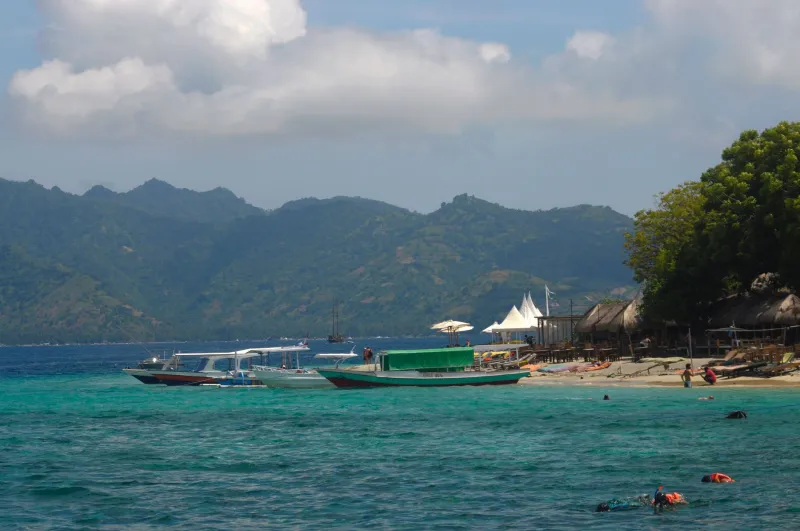
Here's a travel planning truth that most articles won't tell you: the Gili Islands don't have a single "best time to visit." What they have is a range of distinct seasonal windows, each with its own tradeoffs — and the right window for you depends entirely on what you're optimizing for.
Are you chasing the cheapest flights and accommodations? The best underwater visibility? Authentic local culture without the Instagram crowd? Or do you just want to show up and have a reliably good time without any surprises? Each of those goals points to a different time on the calendar. This guide breaks it all down so you can make a genuinely informed booking decision, not just follow generic advice.
Understanding the Gili Islands' Two Seasons (And Why It's More Complicated Than That)
The Gili Islands, situated off the northwest coast of Lombok in Indonesia, operate on a tropical monsoon climate. At the broadest level, there are two seasons:
Dry season: roughly May through September, with June, July, and August being the peak months. Low humidity, consistent sunshine, minimal rain, and calm seas make this the most popular window for travel.
Wet season: roughly November through March, with December through February carrying the heaviest rainfall. Afternoon downpours are common, seas can be rougher, and some boat services run on reduced schedules.
April and October are transitional months — less predictable, but often genuinely pleasant.
Now here's where it gets more nuanced: within those broad strokes, there are micro-seasons driven by tourism patterns, local events, and underwater conditions that most travelers never think to factor in. Let's go layer by layer.
Peak Season: June, July, and August
This is when the Gili Islands are at their most popular — and their most expensive. European and Australian school holidays align with this window, and the islands feel it. Gili Trawangan in particular can feel genuinely crowded during July and August, with accommodation prices at their highest and popular snorkel spots seeing heavy boat traffic.
For American travelers, this timing often aligns with summer vacation plans, which is completely workable — just plan ahead. Booking accommodations three to four months in advance is not excessive for peak season. Prices for the same room can be 40 to 60 percent higher in August than in, say, November.
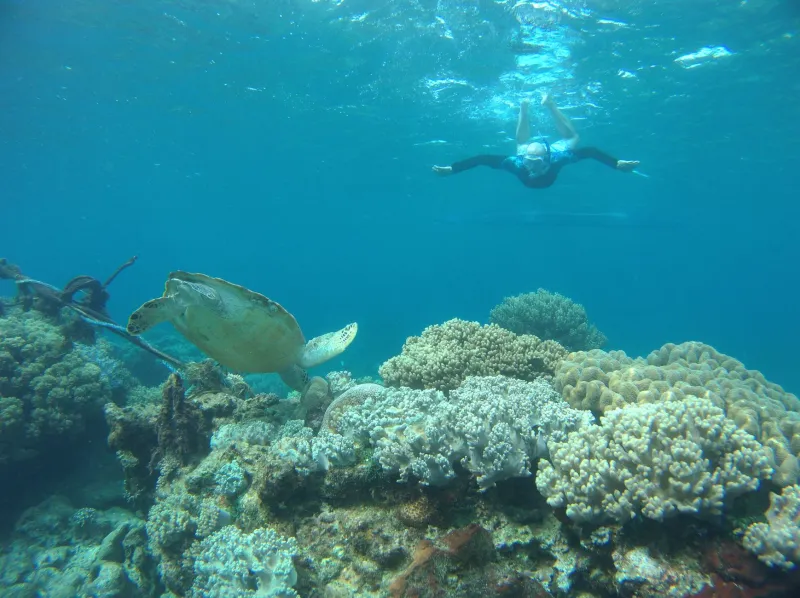
The upside: weather is reliably excellent, underwater visibility is at its best (often 60 to 80 feet in clear conditions), and the social scene on Trawangan is at full energy. If you want the lively, postcard version of the Gilas, this is when you get it — just budget accordingly.
The Sweet Spot: May and September
This is the insider recommendation for American travelers who want the best of both worlds. The dry season weather holds through both months, visibility underwater remains strong, and the crowds thin out meaningfully compared to peak summer. Accommodation rates drop noticeably, and you'll find it easier to snag a beachfront table at a popular restaurant without a wait.
September in particular is underrated. European tourists have largely gone home, the weather is still excellent, and the islands feel more like themselves. Local staff are less stretched, boat tours have more room, and you get the Gilas at a more relaxed pace without sacrificing anything in terms of conditions.
For anyone with flexibility in their schedule, May and September are the windows worth targeting.
Shoulder Season: April and October
These transitional months are genuinely interesting for budget-focused travelers. Prices drop further, crowds are noticeably thinner, and the weather — while less predictable — is far from miserable. You might get a few overcast days or an afternoon shower, but you're not walking into the wet season.
October is the slightly riskier of the two, as it can tip into early wet season patterns. April, coming out of the wet season, tends to be more reliable. Snorkeling conditions are generally still good, and the reef can actually look vibrant after the wet season's nutrient cycle.
The tradeoff: some smaller operators and restaurants run reduced hours or close entirely during shoulder season. It's worth checking with specific accommodations and tour providers before booking.
Wet Season: November Through March
Let's be honest about wet season rather than either dismissing it or over-romanticizing it. December through February brings genuine weather challenges: heavy afternoon rain, occasional rough seas, and reduced boat frequency. Some travelers love the dramatic skies and emptier beaches. Others find the conditions frustrating.
There are real practical concerns during this window. Boat crossings between islands can be canceled or delayed. Some budget guesthouses close entirely. Snorkeling visibility drops, and certain sites become inaccessible due to swell.
That said, wet season has its advocates, and not without reason. Prices are at their absolute lowest — you can find accommodation deals that are genuinely shocking compared to peak season rates. The islands are quiet in a way they never are from May through September. And the rain, more often than not, comes in concentrated afternoon bursts rather than all-day downpours, leaving mornings clear and usable.
If you're traveling on a tight budget and have flexibility to wait out bad weather days, wet season can work. If you have limited vacation days and need reliable conditions, it's a risk.
Local Festivals and Cultural Calendar
This is where most travel guides fall short: the Gili Islands have a cultural calendar that's worth knowing about, both for the experience and for the logistics.
Nyepi (Balinese Day of Silence): This Hindu holiday falls in March or April (the date shifts annually with the lunar calendar). While Nyepi is primarily observed on Bali, its effects ripple across the region, including flight and ferry disruptions. If your itinerary involves Bali before or after the Gilas, build buffer days around Nyepi.
Eid al-Fitr: The Gili Islands sit within a predominantly Muslim region of Indonesia (Lombok), and Eid al-Fitr — the end of Ramadan — is a major local celebration. The date shifts each year. During Ramadan, some local warung restaurants adjust their hours, and the atmosphere on the islands takes on a different character. Around Eid itself, domestic Indonesian tourism spikes, which can affect accommodation availability and pricing.
Lombok Senggigi Festival: This regional arts and culture festival, typically held in late July, draws visitors from across Lombok and occasionally spills into Gili tourism patterns. It's worth looking up the current year's schedule if you're traveling in that window.
A Quick Booking Strategy by Traveler Type
Best weather and visibility, cost is secondary: Book June to August, three to four months ahead.
Best value without sacrificing conditions: Target May or September, book four to six weeks ahead.
Maximum savings, flexible schedule: Consider October or November before the heavy rains begin.
Cultural experience and local immersion: Research the Eid calendar for the year you're traveling and time your visit around (not during) the peak domestic holiday rush for a more authentic local atmosphere.
Honeymoon or special occasion: May, September, or early June — good weather, fewer crowds, and the islands at their most relaxed and romantic.
One Final Note on Booking Lead Time
The Gili Islands have limited accommodation capacity, particularly on Gili Meno and the quieter parts of Gili Air. The most popular properties — especially those with direct beach access — book out fast during peak season. Don't assume you can book two weeks out in July and still have good options. The earlier you lock in your accommodation and tours, the more choices you'll have at every price point.