Dirt Trails and Waterfall Chasing: The Gili Islands' Wild Side You Haven't Seen Yet
Let's be honest — when most American travelers picture the Gili Islands, they're imagining turquoise water, beachside cocktails, and maybe a sea turtle or two. And look, that's all very real and very worth experiencing. But if you've already done the beach thing and you're craving something a little more rugged, you might be surprised by what's hiding just a few hundred meters inland.
The Gili Islands — Gili Trawangan, Gili Meno, and Gili Air — sit off the northwest coast of Lombok, Indonesia. While Lombok itself is famous for its volcano treks and jungle trails, the Gili Islands have quietly developed their own inland adventure scene that most tourists simply never discover. No motorized vehicles, minimal crowds past the beach strip, and some genuinely stunning natural terrain make these islands a sleeper hit for outdoor enthusiasts.
Here at Gili Tickets, we spend a lot of time helping travelers book snorkeling excursions and sunset cruises — but we also love pointing people toward the experiences that don't show up on the typical tourist itinerary. This one's for the hikers, the waterfall hunters, and the travelers who want a little mud on their boots.
Why Most Visitors Never Leave the Beach
There's an obvious reason the inland areas of the Gili Islands go unexplored: the beaches are spectacular. When you step off the fast boat and immediately see crystal-clear water and powdery sand, it takes genuine willpower to turn your back on it. Add in the abundance of warungs, beach clubs, and dive shops clustered near the shore, and most visitors never feel the pull to wander further.
But that's exactly what makes the interior trails and hidden spots so rewarding. You're essentially trading the crowd for quiet — and in a place like Gili T, which can feel surprisingly busy during peak season, that's no small thing.
Gili Trawangan's Interior: More Than Party Central
Gili Trawangan has a reputation as the party island, and it earns it. But head east past the main strip and the vibe shifts dramatically. The island's interior is crisscrossed with sandy paths shaded by coconut palms and tropical vegetation. Rent a bicycle — which is genuinely the best way to get around since there are no cars or motorbikes — and start pedaling away from the crowd.
The eastern hill of Gili T is one of the island's best-kept secrets. It's not a grueling climb by any stretch, but the trail up rewards you with a panoramic view of Mount Rinjani on Lombok, the neighboring islands, and the Bali coastline on a clear day. Difficulty level: easy to moderate. You'll want sturdy sandals or sneakers rather than flip-flops, and bring water because shade is inconsistent along the upper stretch.
The best time to make this walk is early morning — before 8 a.m. if possible — both for cooler temperatures and for the light, which is genuinely magical at sunrise. Dry season, roughly May through September, offers the most reliable conditions underfoot.
Lombok Day Trips: Waterfalls Worth the Journey
Here's the thing about waterfall chasing from the Gili Islands: the most dramatic falls aren't on the islands themselves. They're a short boat ride and transfer away on Lombok, and they are absolutely worth building into your itinerary.
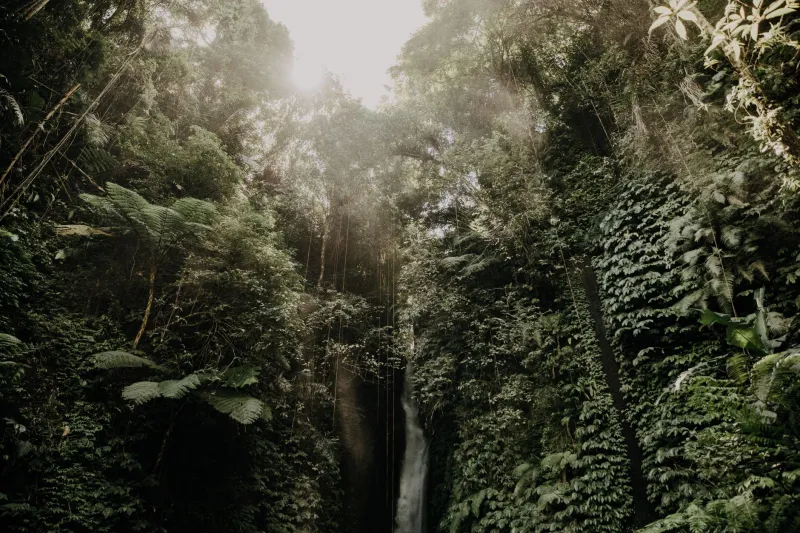
Sendang Gile and Tiu Kelep waterfalls near Senaru are two of the most accessible and visually stunning in the region. Sendang Gile is a relatively easy 15-minute walk from the trailhead — manageable for most fitness levels — while Tiu Kelep requires crossing a river and scrambling over rocks, earning it a moderate-to-difficult rating. The payoff at Tiu Kelep is extraordinary: a wide, thundering cascade that you can actually swim beneath.
From the Gili Islands, you'll take a fast boat to Bangsal or Teluk Nare harbor and arrange ground transport from there. The full round trip typically runs 4-6 hours depending on your pace. Several operators run organized day trips specifically designed for Gili-based travelers, and you can browse and book those directly through Gili Tickets — we've vetted a solid list of guides who know these trails well and prioritize safety.
Best season for waterfall visits: the shoulder months of April-May and September-October hit a sweet spot between dry-season accessibility and wet-season water volume. Peak wet season (December through February) can make trails slippery and river crossings genuinely dangerous, so exercise real caution if you visit during those months.
Gili Meno: Quiet Trails and Bird Life
Gili Meno is the smallest and quietest of the three islands, and its interior is a genuinely peaceful place to spend a morning on foot. The island has a small inland lake — Meno's saltwater lake — that attracts a variety of bird species, making it a surprisingly rewarding spot for casual birdwatchers. Bring binoculars if you have them.
The walking paths around Meno's interior are flat and easy, making this the most accessible inland option for travelers who aren't looking for a workout. It's ideal for families or anyone who wants a gentle nature experience rather than a strenuous hike. Pair it with a slow bicycle loop around the island's perimeter and you've got a genuinely lovely half-day.
Eco-Lodges Worth Knowing About
If you want to lean fully into the nature-immersion experience, a handful of eco-focused accommodations on and near the Gili Islands prioritize sustainability and authentic surroundings over resort-style amenities. These properties tend to sit slightly back from the beach, often surrounded by tropical gardens, and some offer guided nature walks as part of the guest experience.
When browsing accommodations, look for places that explicitly mention solar power, rainwater collection, or partnerships with local conservation organizations. Staying at properties like these means your tourism dollars are doing a bit more work in the community.
Safety Tips for Independent Explorers
A few practical notes before you head out:
- Hydration is non-negotiable. The Indonesian heat is no joke, especially for travelers coming from cooler US climates. Carry more water than you think you need.
- Sun protection matters inland too. Jungle canopy offers some shade, but breaks in the tree cover can result in serious burns.
- Tell someone your plans. If you're heading out on a solo trail, let your accommodation know your route and expected return time.
- Hire a local guide for Lombok trails. This isn't just a safety recommendation — it directly supports local livelihoods and you'll learn far more about the ecosystem than you would wandering alone.
- Check conditions before you go. Trails can change dramatically between dry and wet season. A quick check with locals or your accommodation the morning of your hike is always worth it.
The Takeaway
The Gili Islands will always be a beach destination at heart — and there's nothing wrong with that. But for travelers who want to peel back another layer and see what's beyond the shoreline, there's a genuinely rewarding adventure waiting. Whether you're pedaling up a hill for a sunrise view, chasing waterfalls on Lombok, or quietly watching birds circle a saltwater lake on Meno, you'll come away with stories that go well beyond the snorkeling recap.
Ready to plan the full picture? Browse inland day trips and guided nature experiences at Gili Tickets and build an itinerary that covers both the water and the wild.