Shoot Better, Crowd Less: A Photographer's Real Guide to the Gili Islands
Here's a thing that happens to almost every photographer who visits the Gili Islands: you arrive, you see the famous swing-over-the-ocean shot, the sea turtle silhouette, the neon sunset over Gili T's harbor — and you take those photos. Because of course you do. They're iconic for a reason.
But somewhere around day two, if you're paying attention, you start noticing things that nobody seems to photograph. The fisherman untangling nets at 6am. The way light hits the shallow reef at low tide. The interior of Gili Meno, where there are no tourists and the bougainvillea grows wild over old wooden fences.
This guide is for both versions of you — the one who wants the great vacation shots, and the one who wants to come home with something genuinely different.
Understanding the Light (It Changes Everything)
The Gili Islands sit just south of the equator, which means the sun moves fast and the light quality shifts dramatically throughout the day. If you've only ever shot in the soft, forgiving light of, say, a Pacific Northwest afternoon, the tropical sun will be a rude awakening. Between about 10am and 3pm, the light is harsh, flat, and unflattering — not ideal for most subjects.
Golden hour here is legitimately golden. Sunrise on the east-facing beaches of Gili Air and Gili Meno produces warm, low-angle light that makes everything look painterly. The water goes from blue to turquoise to almost lime green depending on the depth, and the shadows are long and interesting. Set your alarm. It's worth it.
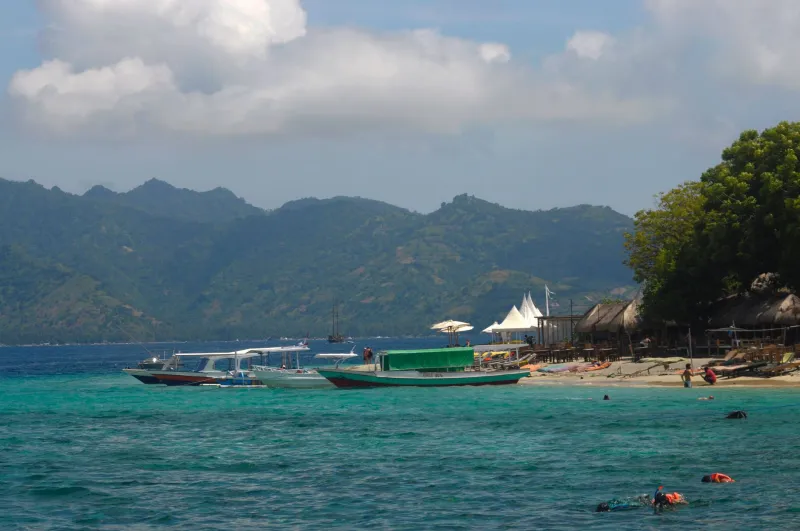
Sunset on Gili Trawangan's western coast is equally dramatic — Mount Rinjani on Lombok often appears in silhouette against the orange sky, which gives you a natural compositional anchor that goes beyond the standard horizon shot. The crowds, however, gather for this moment. More on how to work around that in a minute.
Blue hour — the 20 minutes or so after the sun fully sets — is underused by most vacation photographers. The sky turns a deep cobalt, the beach lights flicker on, and the whole scene gets a moody, cinematic quality that golden hour shots don't have. Stay for it.
The Spots Worth Knowing About
The Quiet East Side of Gili Trawangan
Everyone shoots Gili T's west coast. The east side — facing Gili Air and the Lombok coast — gets almost no attention, which is exactly why it's interesting. At low tide, shallow sandbars emerge and the reflections on the wet sand create natural mirror effects. In the early morning, fishing boats anchor offshore and the scene is quiet, warm, and completely unposed.
Gili Meno's Interior
Most visitors to Gili Meno never leave the beach. Walk inland for ten minutes and you'll find a completely different landscape: a small salt lake that turns pink-orange at certain times of year, dense tropical vegetation, and a pace of life that feels genuinely removed from the tourist circuit. The visual contrast with the beach shots you've already taken is significant and makes for a more complete story of the island.
Underwater — the Gili T Biorock Structures
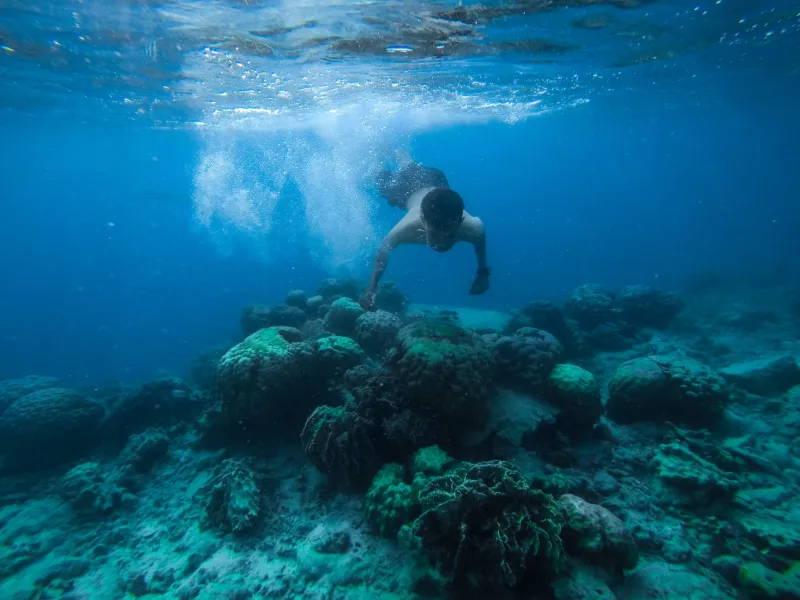
If you have a waterproof camera or a housing for your phone, the artificial reef structures around Gili T are visually fascinating. The biorock project uses low-voltage electrical current to encourage coral growth on metal frameworks, and the resulting structures — covered in growing coral, circled by fish — look otherworldly. Sea turtles are frequently spotted here as well, and a calm, patient approach will get you much closer than frantically chasing them.
Gili Air's Local Side
The south and west sides of Gili Air have a more lived-in, community feel than the tourist-facing east coast. Warungs with hand-painted signs, kids playing near the water, locals going about their day — these scenes photograph beautifully and tell a more honest story of island life. Always ask before photographing people directly; a smile and a gesture toward your camera usually gets you a nod and a genuine expression rather than a posed one.
Drone Rules: Know Before You Fly
This is genuinely important and a lot of travelers get it wrong. Indonesia has specific regulations around drone use, and the Gili Islands fall under those rules.
You are required to register your drone with Indonesia's Civil Aviation Authority (DGCA) if it weighs more than 250 grams. Flying over crowds, near airports (Lombok International is nearby), or above 120 meters is prohibited. Flying without registration can result in your drone being confiscated.
Beyond the legal side, there's an ethical dimension worth thinking about. Drones are loud. They disturb wildlife — including the sea turtles the islands are famous for — and they can feel intrusive to both locals and other travelers trying to enjoy a quiet beach. If you're going to fly, do it early in the morning when beaches are empty, keep your distance from wildlife, and be mindful of the noise.
The aerial shots of the Gili Islands are undeniably stunning. Just make sure you've done your homework before the drone leaves the bag.
Skipping the Clichés (Or Doing Them Better)
Let's talk about the swing shot — you know the one. It's been photographed approximately ten million times. If you want it, go ahead, but try a few things to make it your own: shoot from below looking up into the sky rather than from the side, shoot during blue hour when the light is unusual, or pull back wide enough to include the beach and water as context rather than isolating the swing against a blank sky.
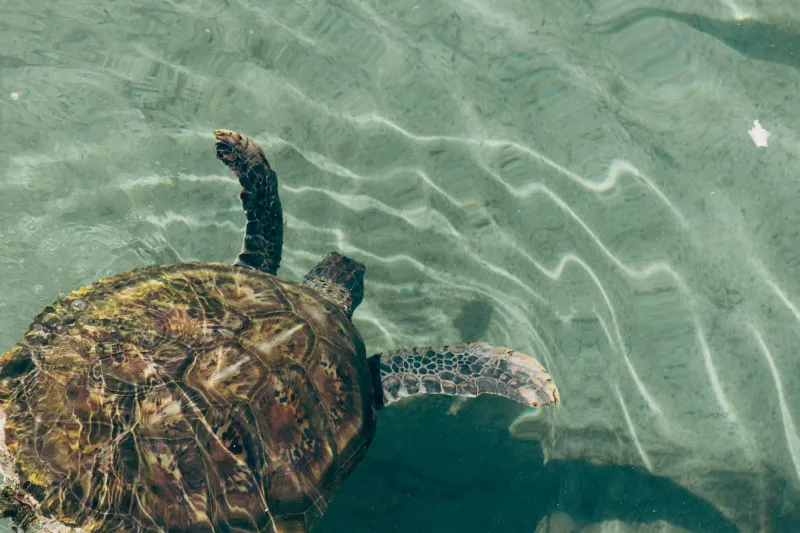
For sea turtle photos, patience beats pursuit every time. Turtles that aren't being chased will often surface near you naturally. Keep your fins still, approach slowly from the side rather than from above, and wait. The shots you get from a calm encounter are infinitely better than anything you'll capture while frantically kicking after a stressed animal.
For sunset shots on Gili T, consider shooting away from the sunset rather than at it. The warm light falling on the faces of the crowd, the boats in the harbor, the palm trees backlit against the orange sky — these shots are often more interesting than another direct sunset silhouette.
A Note on Responsible Photography
The Gili Islands are dealing with real overtourism pressure. Part of responsible travel is thinking about how your photography habits contribute to that pressure — or don't.
When you share photos of hidden spots, consider whether tagging the exact location serves the place well. Some of the most beautiful, least-visited corners of these islands have stayed that way precisely because they're not on the map. You can share a gorgeous photo without geotagging a fragile reef or a quiet local beach.
And when you're underwater, the rule is simple: don't touch anything to get a better shot. Coral that took decades to grow can be destroyed in a second. A photo isn't worth it.
Gear Notes for the Tropics
Humidity, salt water, and sand are the enemies of camera gear. A dry bag is essential for boat transfers. Silica gel packets in your camera bag help manage moisture overnight. A UV filter protects your lens from salt spray without affecting image quality. And honestly? Your phone, with a decent waterproof case, will handle 80% of the shots you want to take — don't overthink the gear.
The Best Photo You'll Take
Is probably one you didn't plan for. A spontaneous moment at a warung, a kid chasing a chicken down a dirt path, the way the light looks when a cloud passes over the reef. The Gili Islands reward photographers who slow down and stay curious. Bring the technical knowledge, know the spots, understand the light — and then put the camera down long enough to actually experience the place. The best shots usually come when you're not forcing them.
Planning your Gili Islands trip? Gili Tickets has snorkel tours, dive packages, and island-hopping experiences that'll put you in exactly the right places at exactly the right times.